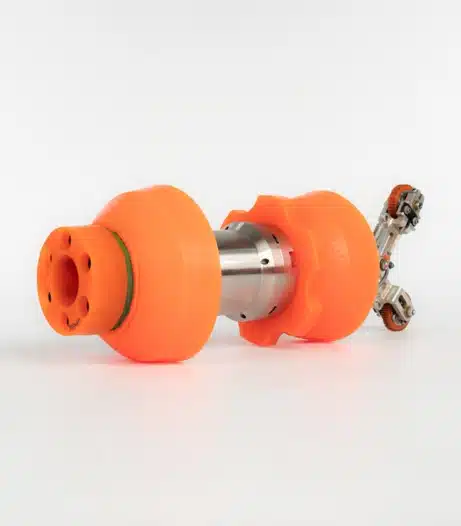
A pipeline caliper tool is essential for verifying pipeline geometry and preparing lines for inline inspections. However, when tools are rented, rushed into service, or used by multiple operators, mistakes can happen. Even small errors, such as skipped calibration...
Inline inspection feeds predictive integrity models by turning every run into detailed data on wall thickness, corrosion, cracks, and geometry, which those models then use to forecast where a pipeline is most likely to fail and when. This is the core of predictive...
Modern AI pipeline integrity tools are transforming how operators monitor, assess, and protect critical pipeline infrastructure. Traditional inspection programs often relied on periodic surveys and reactive maintenance, but today’s systems use real-time analytics,...
The pipeline inspection gauge has evolved from a simple cleaning device into one of the most advanced technologies used in modern pipeline integrity programs. What began as basic utility tools for cleaning and product separation has transformed into highly...
High-precision pipeline mapping improves asset visibility by pairing GIS location data with in-line PIG tracking, so operators know exactly where a line runs, what condition each segment is in, and where the next problem is likely to start. Instead of a route drawing...
The best inline inspection tools depend on your pipeline’s medium and risk profile: MFL for fast corrosion and metal loss detection, UT for precise crack and wall thickness data, and EMAT for crack detection in dry gas lines without a liquid couplant. Each is a...
Midstream operators know pipeline reliability depends on accurate data, proper planning, and the right technology. With so many pipeline integrity tools available today, selecting the best option can feel overwhelming. However, choosing the right tools is essential...
In pipeline integrity, strong performance doesn’t begin with inspection; it begins with what happens before the tool runs. Pre-ILI preparation (pre-in-line inspection) is one of the most overlooked yet critical steps in pipeline performance and risk mitigation....
Pipeline failures are costly, dangerous, and avoidable, and pipeline mapping is one of the most effective ways to prevent them. With modern technology, operators have access to powerful tools that reduce risk and protect critical infrastructure. At the center of this...
Pipeline geometry shapes safe operations by confirming a line is round, clear, and structurally sound before product, pressure, or inspection tools move through it. Dents, ovalities, and bore restrictions change how a pipeline carries product and whether an in-line...